


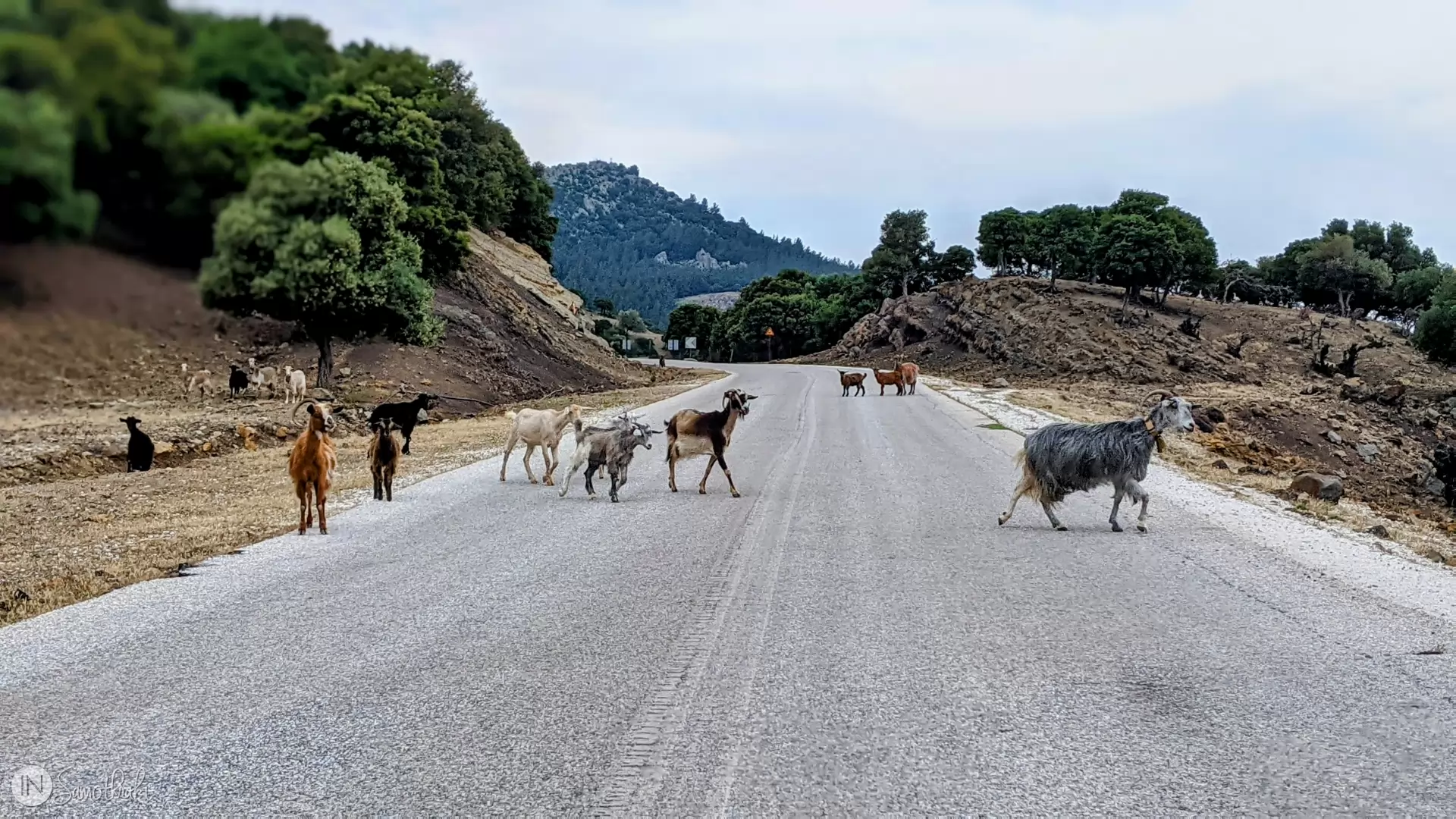
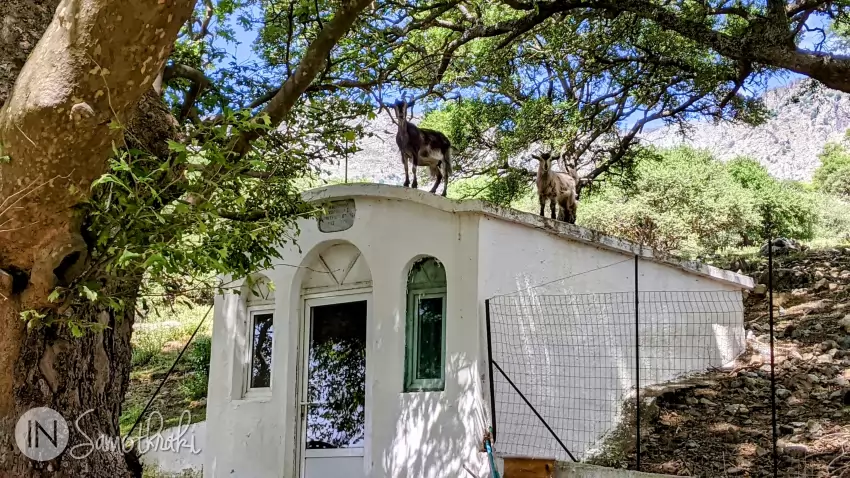
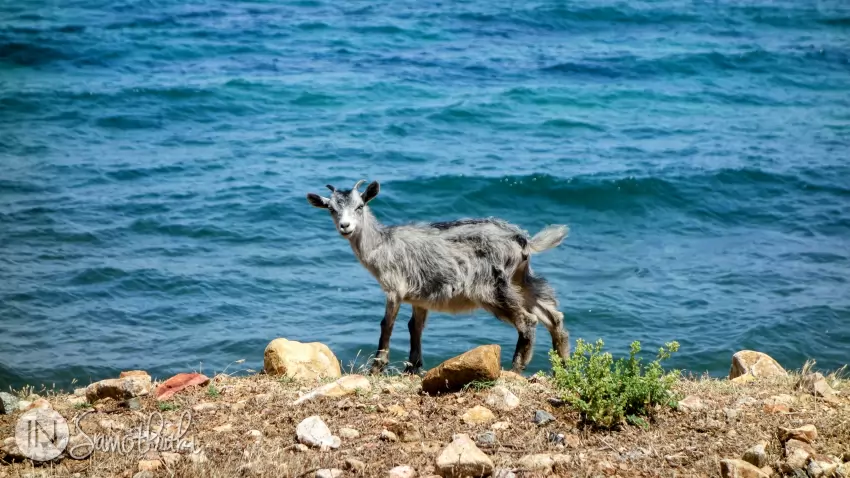
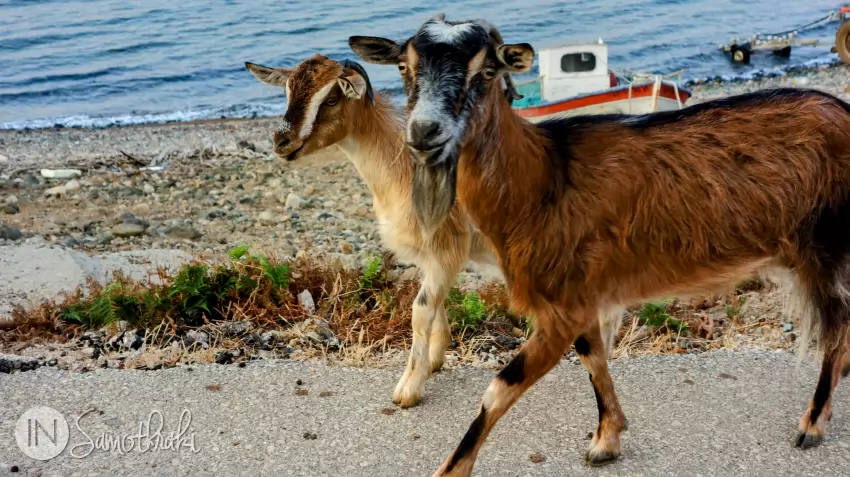
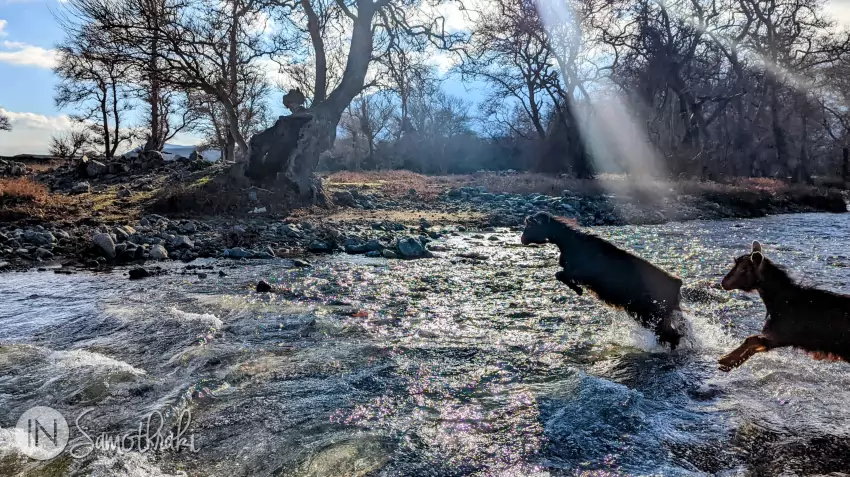
50-60,000 goats for a population of less than 3,000. That is, 20 times more than the number of people - these are the recent statistics regarding the goats of Samothraki. According to other estimates, their number could even reach 75-80,000. You can meet them everywhere on the island - on the roads (be careful when driving!), next to the roads, on the rocks, in the forests or in the mountains. You will also see them on the beach, sometimes even perched on your car, if you have the unfortunate idea of parking it in the shade of a tree at Pachia Ammos Beach or at Kipos Beach.
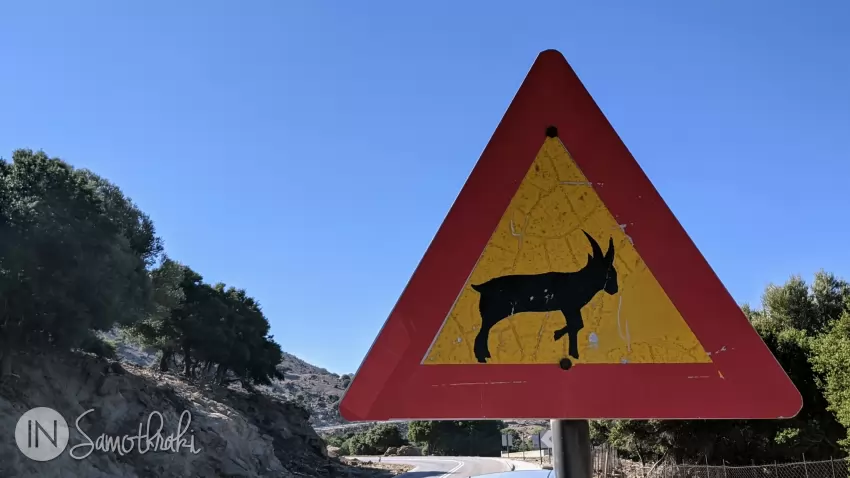
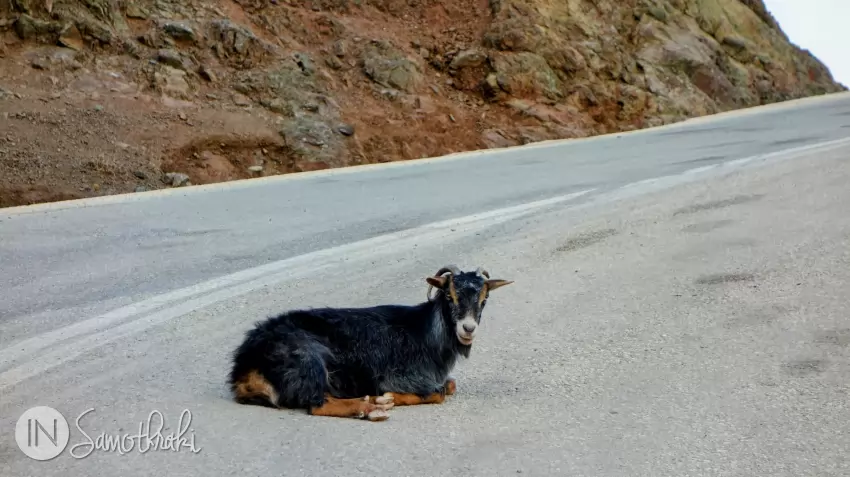
Many of Samothraki's goats are descendants of the wild species Capra aegagrus pictus, which is known for its curved horns. Other goats belong to more recent species. About 90% of them live in the wild, while the rest are kept near the homes or in the shepherds' herds. Owners identify their animals by a mark on their ears, unique to each family.
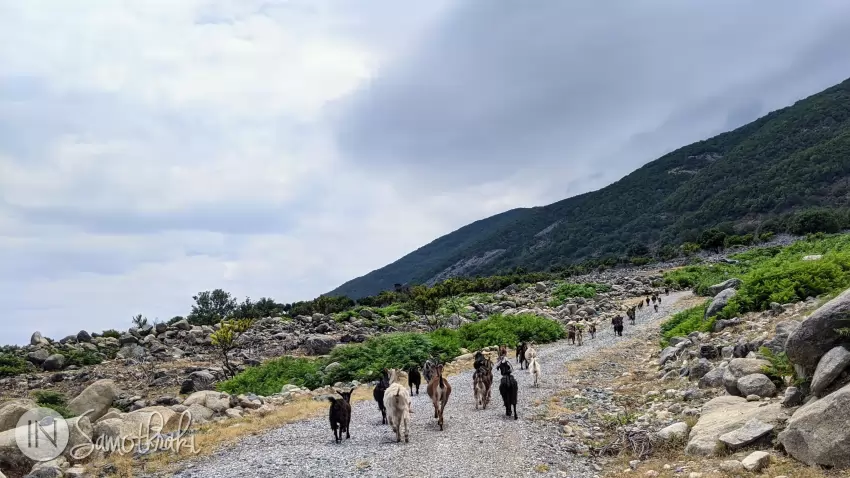
Goats have been a trademark of the island since ancient times, with their image appearing today on countless souvenirs. If you're looking for goat-themed gifts, be sure to visit the To Gid' - Goat Shop in Chora. Goat products are a vital part of the local economy and one of Samothraki's few exports.
Animal husbandry is the traditional occupation on the island, and those who practice it are known as kehagiades. It's estimated that about 60% of the population is involved in livestock farming to some degree. Shepherds you might encounter on the paths of Mount Saos are tough, resilient people accustomed to hard physical work. They control their herds with the help of dogs and a two-meter-long stick called a gdour.
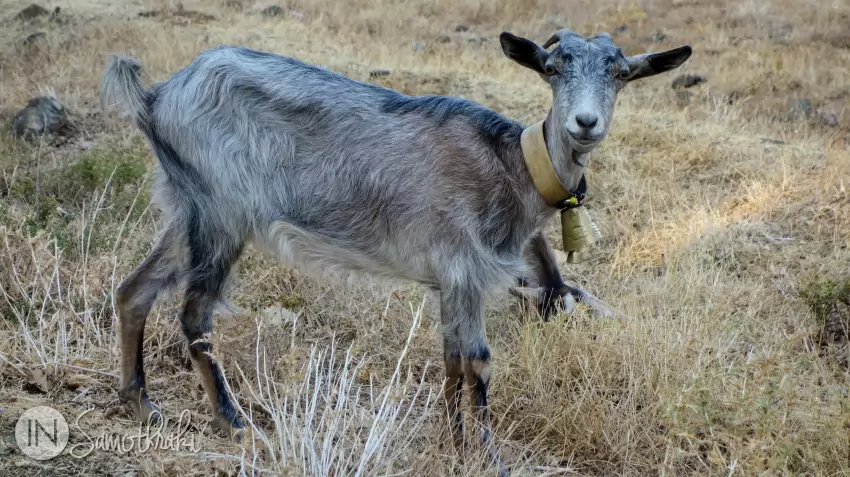
Because the goats graze freely on a variety of mountain plants, their meat has a distinct flavor. The most celebrated taverns in Samothraki are those where goat meat (katsiki) is the main attraction, such as O Vrachos in the village of Profitis Ilias, famous for its spit-roasted goat, or Karydies in Ano Meria, where the menu features so many goat dishes that "goat with goat" is the only thing missing! The milk also has a special taste, which may explain why some cheeses from the Papanikolau factory in Makrylies have won awards.
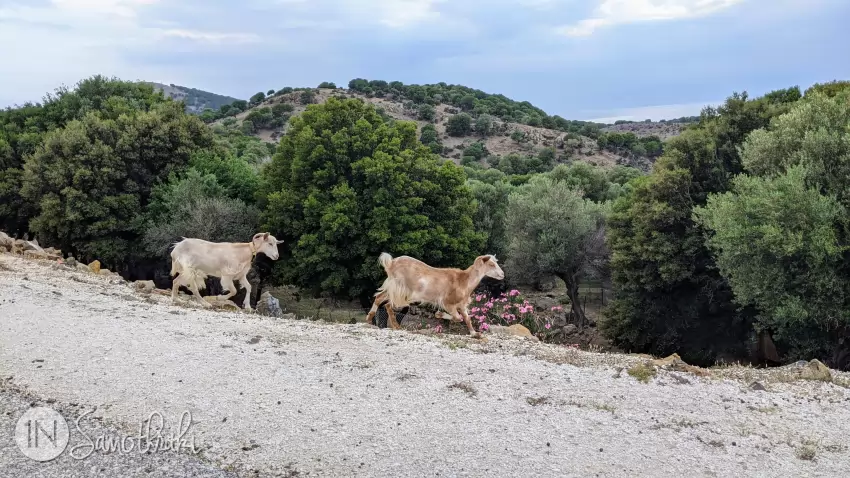
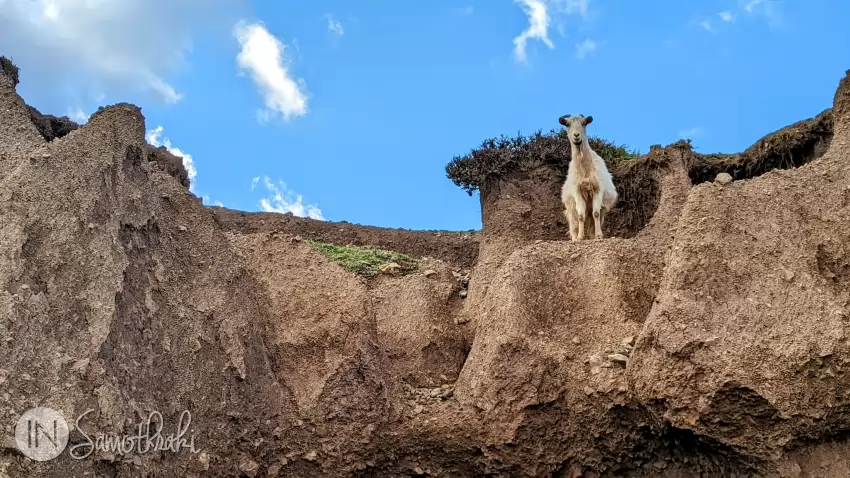
Despite their charm, the goats of Samothraki pose a significant problem. The goat population became unsustainable after EU subsidies in the early 2000s were distributed based on number of animals, incentivizing the locals to grow their herds. Later, when the subsidies were over the excess goats were released into the wild, thus severely impacting the ecosystem. In terms of grazing capacity, Samothraki can only sustainably support 15,000 to 20,000 goats. The current population, which is nearly three times that amount, has led to overgrazing, resulting in destroyed vegetation, lack of plant regeneration, and soil erosion. This also intensifies the destructive effects of torrential rains that damages local infrastructure.
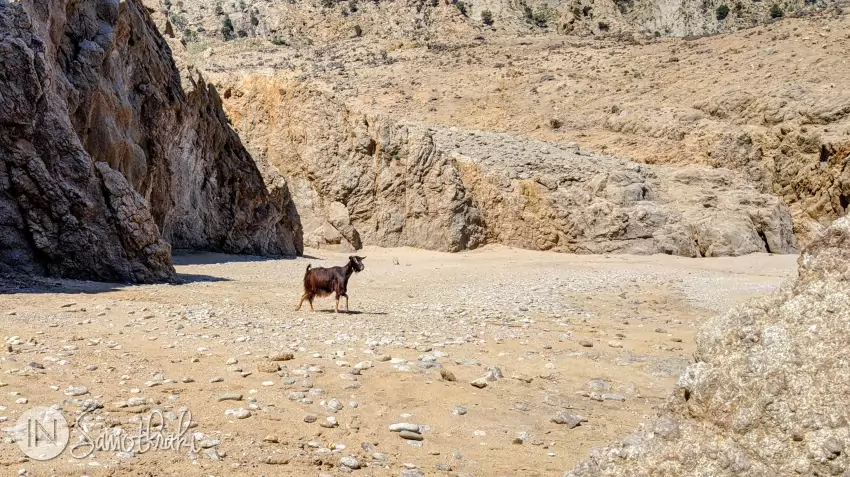
The goats eat any new plant shoots and even the bark of older trees, causing them to dry up and die. As the vegetation slowly disappears, slopes become bare, and without trees to stabilize the soil, they become vulnerable to erosion. The landscape is turning arid, rare plant species are becoming scarce, and the lack of flowers is negatively affecting the bee population, leading to conflict between livestock farmers and beekeepers. This is most evident in the south, around Pachia Ammos Beach, an area that was once forested and now has a semi-desert appearance.
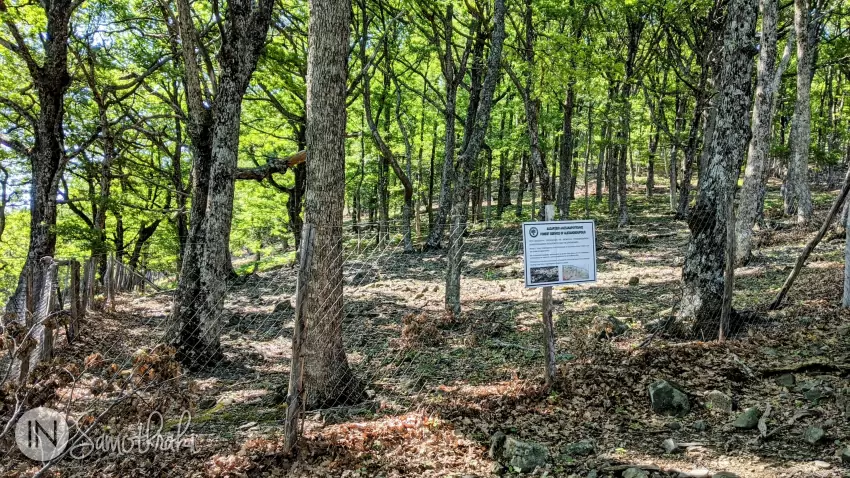
The northern part of the island, which has fewer goats, has not been affected as severely, but the impact is still noticeable. If you hike to the Fengari peak, you will see large fenced-off areas in the Martini forest, which are designed to allow the vegetation to regenerate.
Various associations on Samothraki are working to find solutions to this complex problem, aiming to make animal husbandry both profitable and sustainable without harming the island's unique natural environment.

 Chora, the Perched Capital of Samothraki
 Panagia Krimniotissa, the Church on the Rock
 Therma - Mountains and Sea in Samothraki
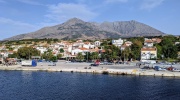 Kamariotissa - Welcome to Samothraki!
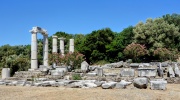 Sanctuary of the Great Gods in Samothraki
Have you been there?
Tell everyone about your experience!